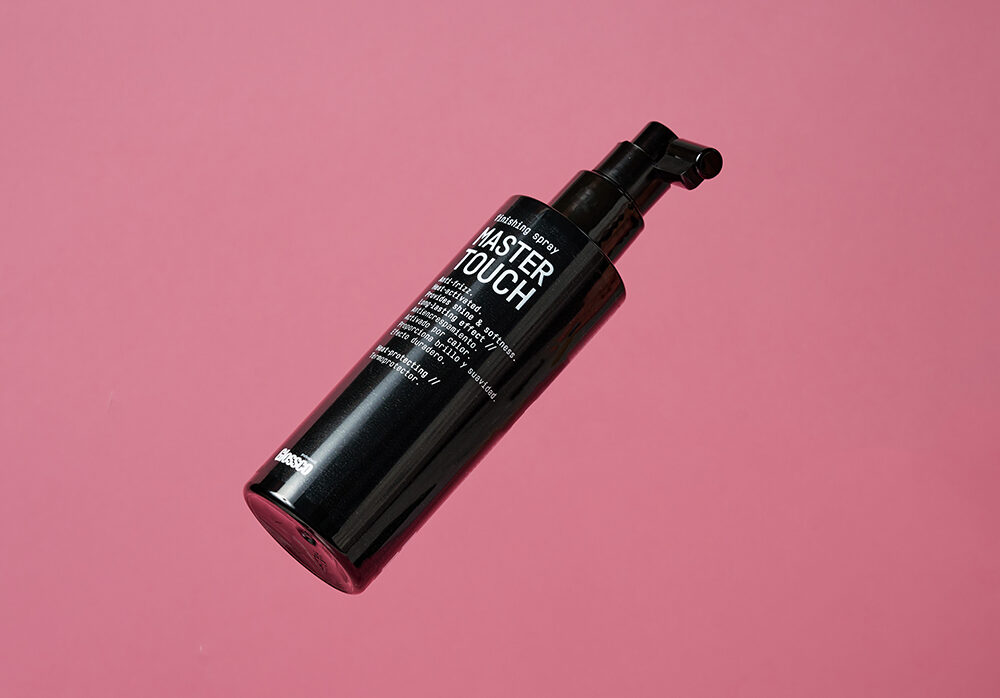


Cut or repair? What to do when the ends are badly damaged
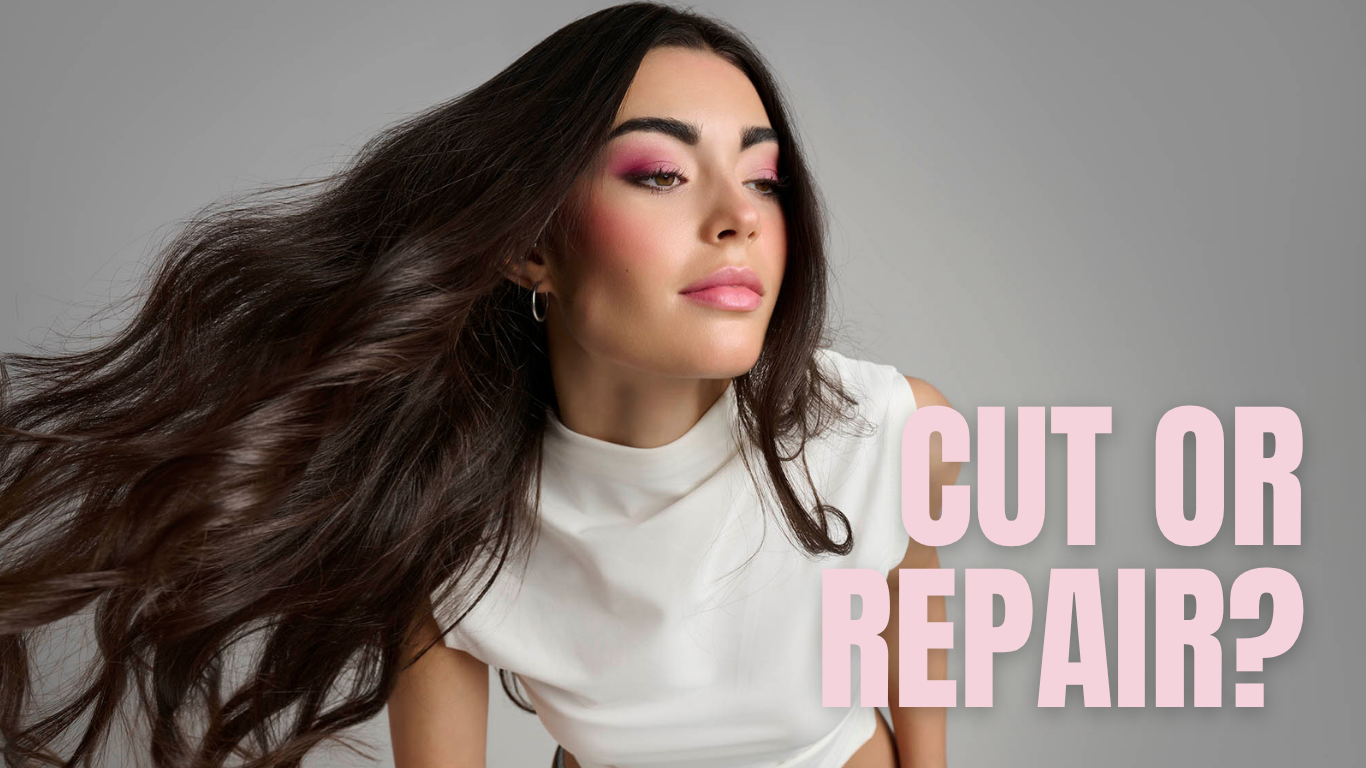
Scissors or treatment?
When we are trying to grow our hair, hearing the word “cut” is rarely welcome. But can severely damaged ends really be repaired? Let’s look at it without the drama and, above all, without making false promises.
 You do not always need a big cut
How can you tell if your ends are damaged?
The ends are the oldest part of the hair and the part that has been through the most: blow-drying, straighteners, colouring, sun, swimming pools and brushing. It all adds up. These signs will help you tell dry ends from ends that already need a trim.
Rough and dull
They tangle easily but still retain their density. At this stage, a moisturising and repairing routine can make a big difference.
White dots
They usually indicate a weakened area at risk of breakage. Reduce heat and assess how much hair needs to be trimmed.
Split or see-through
If the fibre splits in two, loses thickness or breaks when touched, scissors are the most honest solution.
Can split ends really be repaired?
Once an end has split, it cannot be permanently joined back together. Repair treatments can moisturise, soften and protect the fibre, helping the ends look smoother and better cared for. However, when they are fully split, that improvement will only be temporary.
When they are dry or sensitised
If your ends retain their density but feel rough, dull or difficult to comb, focus on moisture, nourishment and protection.
When they are split or brittle
If the last few centimetres are very thin, see-through or constantly breaking, a trim will help stop the damage from travelling further.

What if they can still be saved?
If your ends are not fully split, a targeted routine can restore softness, shine and manageability.
How to prevent split ends from coming back
There is no need to overcomplicate things: a few good habits can help your ends stay in better condition for much longer.
- Use heat protection before blow-drying or straightening.
- Always start detangling from the ends.
- Do not rub your hair with a towel after washing.
- Apply a mask or conditioner through the mid-lengths and ends.
- Protect your hair from the sun, chlorine and salt water.
- Book small maintenance trims whenever you need them.
The best option is often to trim and repair
A trim removes the part that can no longer be recovered, while the treatment helps care for everything else. Remember: trimming your ends is not about losing length, but giving your hair a fresh start.
Quick answers about damaged ends
Can a serum seal split ends?
It can soften and protect them and temporarily improve their appearance, but it cannot permanently join a hair fibre that has already split.
Does cutting your hair make it grow faster?
No. Hair grows from the scalp. However, removing split ends reduces breakage and helps you retain length more effectively.
When should I see a professional?
If you are unsure how far the damage extends, a professional can assess the hair fibre’s density and strength, recommend how much to trim and suggest the right routine afterwards.