

Do you notice more hair loss?
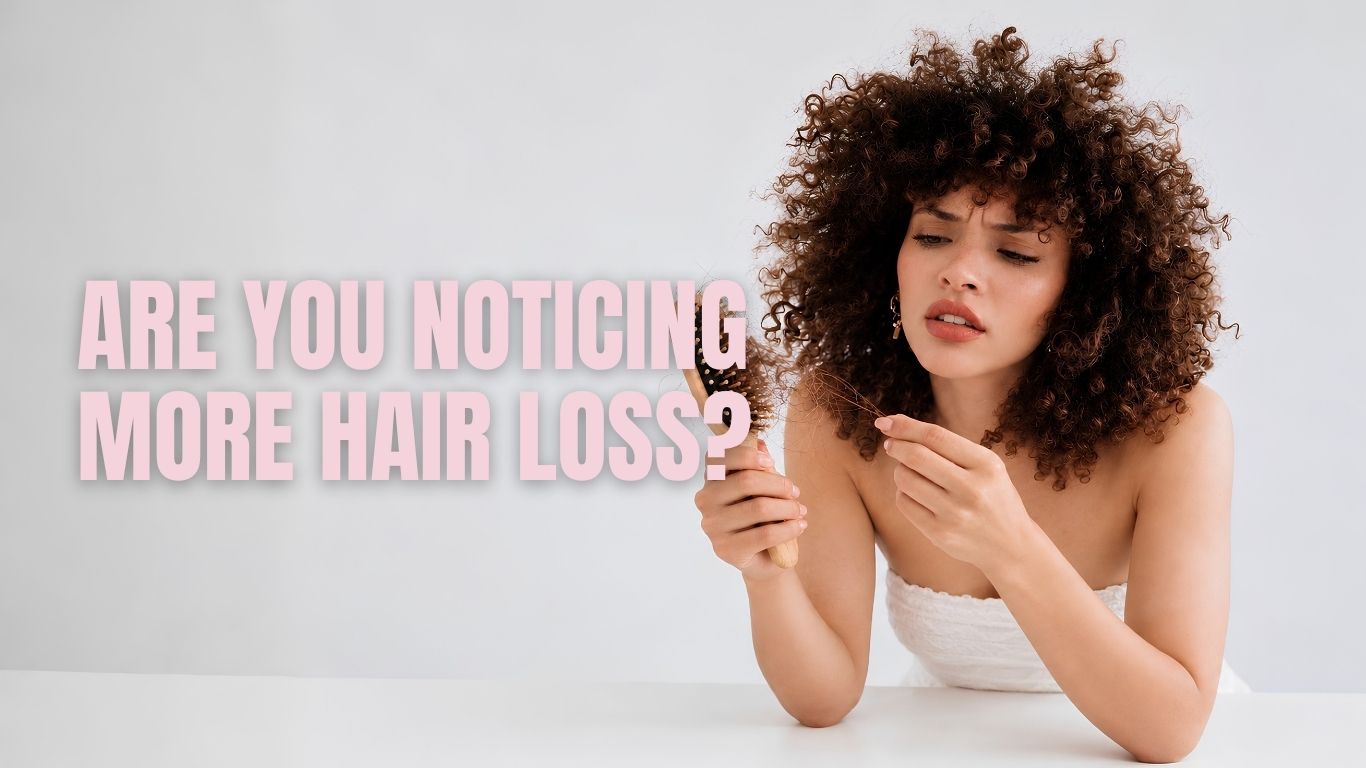
Have you been finding more hair than usual on your brush, in the shower or on your pillow? Noticing increased hair shedding does not always mean there is a hair problem. At certain times of the year or following specific situations, more hairs may temporarily enter the shedding phase.
The key is to observe how it develops, take proper care of your scalp and distinguish temporary shedding from other types of hair loss.
Why does hair shed more at certain times?
Hair shedding is part of its natural cycle. The American Academy of Dermatology states that it is normal to lose approximately 50 to 100 hairs a day. When this number increases significantly, it may be related to telogen effluvium, a type of diffuse shedding that can occur following certain changes or situations.
Stress, an illness accompanied by fever, surgery, certain hormonal changes or significant weight loss are some of the factors that can trigger this temporary increase in shedding. In many cases, it does not happen immediately and may begin several months after the triggering event.
So, if you notice more hair in the shower for a few weeks, it can also be useful to think about what has happened during the previous months.
Seasonal shedding and hair loss are not exactly the same
Although we often use both terms interchangeably, there is an important distinction.
With temporary shedding, the hair continues to follow its natural cycle and the situation may return to normal over time. Hair loss, on the other hand, can be associated with hereditary factors, certain treatments, medical conditions or even hairstyles that repeatedly pull on the hair.
If hair loss appears suddenly, is concentrated in specific areas or you notice a clearly greater amount than usual when washing or brushing your hair, it is advisable to consult a healthcare professional to determine the cause. You can also find further information in Mayo Clinic’s guide to hair loss.
How to care for your hair when you notice more shedding
During these periods, it is worth paying particular attention to both your hair and your scalp.
Start by avoiding unnecessary pulling when detangling, overly tight hairstyles and aggressive handling. Maintaining an appropriate washing routine is also important: washing your hair less often because you are worried about shedding will not prevent hairs that have already completed their cycle from falling out.
You can complement these habits with products specifically formulated for hair prone to hair loss.

Vit Active Shampoo
Vit Active Shampoo by Glossco Professional is a revitalizing shampoo designed for hair prone to hair loss. According to its official product information, it hydrates and tones the scalp and is formulated with baicalin, wheat germ and soybean sprouts.
Apply to wet hair and massage until an even emulsion is obtained. Rinse thoroughly.

Gloxyl
To complete the routine, Glossco recommends combining the shampoo with Gloxyl, an ampoule treatment for hair prone to hair loss.
Spread the contents over the scalp and massage gently in circular motions with your fingertips. Its formula contains, among other ingredients, baicalin, soybean sprouts and wheat germ.

Pack Gloxyl
Both products are also available together in the Pack Gloxyl, designed to combine cleansing with Vit Active Shampoo and the subsequent application of Gloxyl treatment.
You can also explore Glossco Professional products designed for hair loss.
Consistency is also part of hair care
When shedding increases, it is easy to start looking for an immediate solution, but the hair cycle takes time. Maintaining a consistent routine, caring for the scalp and treating the hair gently is more sensible than constantly switching products.
Above all, remember that cosmetic products can form part of your hair care routine, but they do not replace professional diagnosis of the cause of persistent or sudden hair loss.
Frequently asked questions about hair loss
Is it normal to lose more hair at certain times of the year?
A temporary increase in shedding can occur. However, not all hair shedding should automatically be attributed to a change of season, as other factors involving the hair cycle, stress, illness or hormonal changes may also play a role.
Should I wash my hair less if it is shedding?
There is no need to stop washing your hair. Use a suitable shampoo and gently massage the scalp, avoiding harsh rubbing or pulling during washing and detangling.
When should I seek advice about hair loss?
It is advisable to consult a healthcare professional if hair loss appears suddenly, bald patches develop, you notice significant changes to the scalp or the amount of shedding is clearly greater than usual and persists over time.